
India is known as the “Land of Spices,” and for good reason. From ancient trade routes to modern kitchens, spices have always been at the heart of Indian cuisine. Today, the demand for high-quality, pure, and hygienically processed spices is growing rapidlynot just in India but across the world.
With so many brands available in the market, choosing the best spice companies in India can be challenging. This guide will help you understand what makes a spice brand trustworthy, what to look for while buying spices online, and why premium brands like Health Mark are gaining strong customer trust.
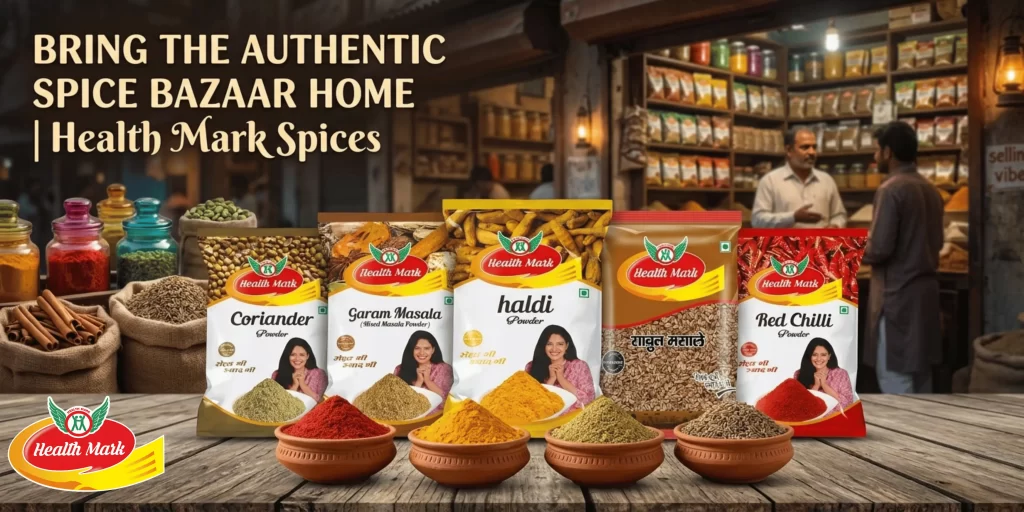
Why Quality Spices Matter in Daily Cooking
Spices are not just ingredientsthey define flavor, aroma, and even nutritional value in food. Poor-quality spices can ruin taste and may contain additives or low-grade fillers.
High-quality spices ensure:
- Rich aroma and natural flavor
- Better color and freshness
- No artificial additives or preservatives
- Improved health benefits
- Consistent taste in cooking
That’s why selecting the best spices brand in India is important for both households and businesses.
Key Factors to Identify the Best Spice Companies in India
Before buying spices online or in bulk, consider these essential points:
1. Purity & Processing Standards
The best spice manufacturers use advanced cleaning, drying, and grinding methods to maintain purity.
2. Sourcing of Raw Materials
Premium companies source spices directly from farms to ensure freshness and authenticity.
3. Packaging Quality
Air-tight, moisture-proof packaging preserves aroma and shelf life.
4. Certifications & Hygiene
FSSAI compliance and quality certifications ensure safety standards.
5. Price Transparency
Good companies maintain fair pricing without compromising quality.
Top Trends in Spice Industry in India
The spice industry in India is evolving rapidly with changing consumer preferences, modern technology, and increasing awareness about health and food quality. India, being one of the largest producers and exporters of spices in the world, continues to set global standards in flavor, purity, and variety.
1. Growing Demand for Hygienic and Packed Spices
Consumers are shifting from loose spices to branded, hygienically packed products. Safety, purity, and consistent quality are now top priorities for buyers. This has increased trust in certified brands like Health Mark.
2. Rising Demand for Premium Quality Spices
Consumers today are becoming more conscious about the quality, purity, and freshness of the spices they use every day. They prefer brands that offer hygienically processed, naturally sourced, and authentic spices without artificial colors or adulteration. As a result, manufacturers are focusing on maintaining high quality standards, better packaging, and consistent flavor to meet evolving customer expectations.
3. Increasing Demand for Organic Spices
Health-conscious consumers are choosing organic and chemical-free spices. These spices are grown without synthetic pesticides, making them safer and more natural for daily cooking.
4. Growth of Bulk Spice Supply for Businesses
Hotels, restaurants, catering services, and food manufacturers are increasing demand for bulk spices supplier networks. They require consistent quality, large quantities, and competitive pricing.
5. Ready-to-Use Spice Blends
Modern cooking habits have increased the popularity of ready-made spice mixes such as:
- Garam Masala
- Biryani Masala
- Curry Powder
- Kitchen King Masala
These blends save time while maintaining authentic taste.
6. Advanced Processing and Packaging Technology
Spice manufacturers are adopting modern grinding, cleaning, and vacuum packaging techniques. This helps preserve aroma, color, and shelf life for longer durations.
7. Export Growth of Indian Spices
Indian spices are in high demand globally due to their strong aroma and natural quality. Export opportunities are increasing, especially for turmeric, black pepper, chili, and cumin.
8. Focus on Health and Functional Spices
Spices like turmeric, ginger, and cinnamon are gaining popularity for their medicinal and immunity-boosting properties. Consumers now see spices as part of a healthy lifestyle.
Best Spices Seller Comparison: Branded vs Loose Market vs Health Mark
| Criteria | Loose / Local Market Spices | Generic Packaged Brands | Certified Manufacturer (e.g. Health Mark) |
| Certification visibility | None | Sometimes claimed, rarely shown | FSSAI, ISO, GMP, HACCP published |
| Traceability | Not available | Limited | Farm-to-pack sourcing transparency |
| Adulteration risk | High | Moderate | Low, lab-checked processing |
| Packaging quality | Open sacks / loose scoops | Standard sealed packs | Moisture-proof sealed packaging |
| Price | Lowest | Mid-range | Competitive, quality-backed |
| Bulk / business enquiry support | Informal | Limited | Direct sales contact available |
This isn’t to say every local seller is unsafe or every packaged brand is superior but as a general pattern, certification and traceability are the two variables that most reliably separate the best spice companies in India from the rest of the market.
Health Mark – Trusted Name in Indian Spice Industry
Among emerging spice manufacturers, Health Mark has built a strong reputation for delivering high-quality food products and spices across India.
What Makes Health Mark Special?
- Hygienically processed spices
- Strong focus on purity and taste
- Affordable pricing for retail and wholesale buyers
- Wide distribution network
- Trusted by households and businesses
Whether you are a retailer, distributor, or home cook, Health Mark ensures consistent quality in every pack.
Wide Range of Spices Available in India
When searching for the best spices, you will find a variety of options such as:
Whole Spices
- Cumin (Jeera)
- Coriander (Dhania)
- Cardamom (Elaichi)
- Cloves (Laung)
- Black Pepper
Ground Spice Powders
- Turmeric Powder
- Red Chili Powder
- Coriander Powder
- Garam Masala
- Kitchen Spice Blends
Specialty Spice Mixes
- Curry Masala
- Kitchen King Masala
- Biryani Masala
- Sabzi Masala
These spices are essential for Indian households and commercial kitchens.
Spices Price in India – What Affects Cost?
The spices price in India varies depending on several factors:
- Quality and grade of raw spices
- Processing and grinding methods
- Packaging type and brand value
- Seasonal availability
- Transportation and supply chain costs
Premium brands may cost slightly more but ensure better taste, purity, and health benefits.
What Actually Makes a Spice Company “The Best”?
Marketing claims like “100% pure” or “farm fresh” are easy to print on a label. What actually separates the best spice companies in India from the rest comes down to seven measurable factors.
a) Sourcing & Farm Traceability
Reliable manufacturers can tell you where a spice was grown, when it was harvested, and how it reached the processing unit. Traceability reduces the risk of contamination and ensures consistent flavour batch after batch.
b) Certifications: FSSAI, ISO, GMP & HACCP
This is the single biggest quality signal for quality spices in India. Look for:
• FSSAI licensing – the baseline legal requirement for any food business in India
• ISO certification – confirms a documented, consistent quality management process
• GMP (Good Manufacturing Practices) – verifies hygienic, standardised production
• HACCP – a food-safety system that identifies and controls contamination risks at every processing stage
A brand that displays all four isn’t just making a claim it’s been independently audited against it.
c) Cleaning, Grinding & Packaging Technology
Best spices manufacturing today relies on mechanised cleaning (to remove stones, husk, and dust), controlled-temperature grinding (to preserve volatile oils and aroma), and moisture-proof packaging that keeps spices powder fresh for longer instead of clumping or losing potency within weeks.
d) Purity Testing & Adulteration Checks
Reputable manufacturers run internal lab tests for common adulterants lead chromate or metanil yellow in turmeric, brick powder or Sudan dye in chilli, starch or bran in ground coriander, and papaya seed dust in black pepper.
e) Range & Consistency of Products
A best spices seller usually carries a well-rounded catalogue whole seeds, ground powders, and blended masalas rather than one or two hero products, which reflects deeper processing infrastructure and category expertise.
f) Fair, Transparent Pricing
Unusually cheap spices powder is a red flag, not a bargain. Genuine sourcing and lab testing cost money; a price far below the market average often means shortcuts somewhere in the supply chain.
g) Customer Trust, Reviews & After-Sales Support
Finally, look at how a company handles enquiries, bulk orders, and complaints. Manufacturers that publish a direct sales contact and respond to product enquiries tend to stand behind their quality claims.
Top Selling Spices in India Right Now
Before comparing brands, it helps to know which spices actually move the most volume in Indian kitchens both retail and food-service. Here’s a snapshot of the top selling spices in India and what they’re primarily used for.
| Spice | Common Form | Primary Culinary Use |
| Turmeric | Powder | Base colour & anti-inflammatory everyday cooking spice |
| Red Chilli | Powder | Heat and colour in curries, tandoori marinades, pickles |
| Coriander | Powder | Base masala for gravies, dals, and dry sabzis |
| Garam Masala | Blend / Powder | Finishing spice blend for North Indian curries |
| Carom Seeds (Ajwain) | Whole | Digestive aid, parathas, tempering (tadka) |
| Fennel Seeds (Saunf) | Whole | Mouth freshener, biryanis, digestive tea |
| Cumin | Whole / Powder | Tempering base for almost every regional cuisine |
Turmeric, red chilli, and coriander powder together account for the bulk of everyday household spice consumption, which is exactly why purity in these three categories matters most when you’re evaluating best spices powder brands.
How to Spot Genuine Quality Spices vs Adulterated Ones
You don’t need a lab to catch the obvious warning signs. Use this quick checklist before buying spices powder from any new brand:
• Colour: Excessively bright, uniform turmeric or chilli powder can indicate artificial dye natural spice colour has slight variation batch to batch
• Smell: Genuine ground spices have a strong, layered aroma; weak or “flat” smell suggests old stock or dilution with filler
• Texture: Rub a pinch between your fingers gritty or sandy texture in turmeric or coriander powder can mean added starch or mineral matter
• Water test: Stir a small amount of turmeric powder in water pure turmeric settles with a natural yellow tint; chemically coloured turmeric leaves a deep, unnatural yellow streak immediately
• Packaging & labelling: Check for an FSSAI licence number, manufacturing date, and batch number printed on the pack its absence is an immediate red flag
| Quick Tip• Buy smal trial packs from a new spice manufacturer before committing to bulk quantities it’s the fastest way to judge consistency across batches. |
Best Spices Powder vs Whole Spices: Which Should You Buy?
Both have a place in a well-stocked kitchen, but they serve different purposes.
| Factor | Whole Spices | Ground Spices Powder |
| Shelf life | Longer (12–24 months) | Shorter (6–12 months) once opened |
| Flavour intensity | Releases aroma when freshly ground or tempered | Convenient, consistent flavour if stored airtight |
| Best for | Tempering, slow-cooked dishes, biryanis | Everyday cooking, quick meals, marinades |
| Adulteration risk | Lower easier to visually inspect | Higher harder to detect without lab testing |
If you cook daily and value convenience, a trusted brand’s ground spices powder is the practical choice as long as the manufacturer is certified and transparent about sourcing. If you’re an occasional cook or prioritise maximum freshness, whole spices ground in small batches at home offer an extra layer of quality control.
Meet Health Mark: A Quality-First Spice Manufacturer from Baddi, Himachal Pradesh
One brand worth evaluating against the checklist above is Health Mark, an FMCG food manufacturer based out of the Industrial Township, Bhatoli Kalan, Baddi, Himachal Pradesh a location that also serves nearby markets across Punjab, including Chandigarh, Panchkula, and Ludhiana.
Health Mark positions itself around purity, traceability, and sustainable sourcing, drawing ingredients from certified farms and maintaining transparency through its supply chain from farm to final pack. On the compliance side, the brand holds FSSAI, ISO, GMP, and HACCP accreditation covering exactly the four certification pillars discussed in Section 2, which is a meaningful signal when you’re comparing best health mark spices against unbranded or loose-market alternatives.
Health Mark’s Spice Range
The Health Mark Spices category currently covers six core products, spanning both whole spices and ground powders:
• Turmeric Powder – a daily-use base spice for colour, flavour, and everyday Indian cooking
• Red Chilli Powder – for heat, colour, and depth in curries, tandoori dishes, and pickles
• Coriander Powder – the base masala used in most gravies, dals, and dry sabzis
• Garam Masala – a blended finishing spice for North Indian curries and biryanis
• Carom Seeds (Ajwain) – a whole spice used for tempering and known for its digestive benefits
• Fennel Seeds (Saunf) – a whole spice used as a mouth freshener, in biryanis, and in digestive teas
You can browse the full range on the Health Mark Spices product category page, and view the brand’s certifications on its Accreditation page.
Best Spice Seller for Retail & Wholesale Needs
The demand for bulk spices supplier in India is rising due to hotels, restaurants, and retail stores.
A good spice seller should offer:
- Bulk packaging options
- Consistent quality supply
- Competitive pricing
- Fast delivery network
- Wide product range
Health Mark fulfills these requirements with strong distribution and consistent quality assurance.
Why Indian Spices Are Popular Worldwide
Indian spices are exported globally because of:
- Rich aroma and strong flavor profile
- Traditional farming techniques
- Natural sun-drying methods
- High essential oil content
- Wide variety of spices
This global demand has made India the largest spice producer in the world.
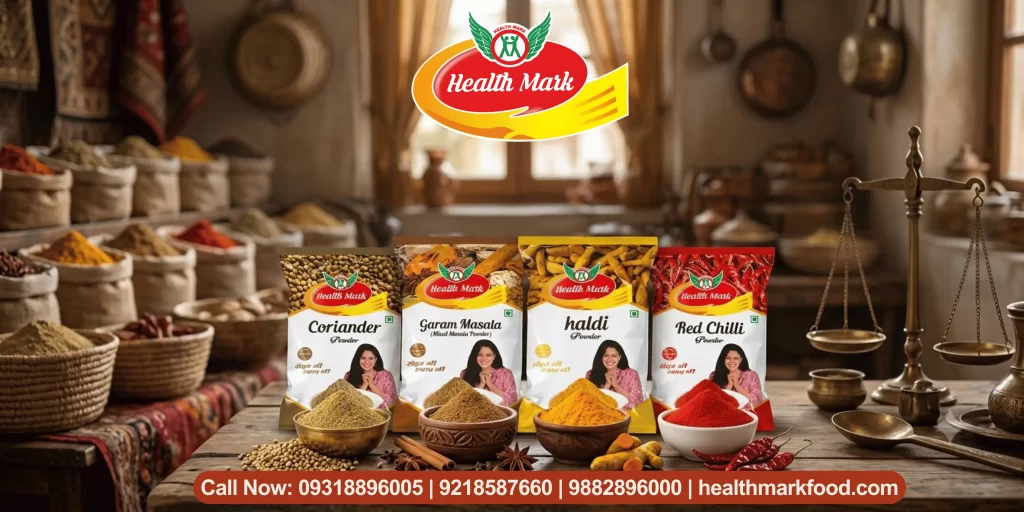
How to Choose the Best Spices Brand in India
Here are simple tips:
- Check brand reputation and reviews
- Look for FSSAI certification
- Prefer vacuum-sealed packaging
- Avoid artificially colored powders
- Buy from trusted suppliers only
Brands like Health Mark are known for maintaining these standards.
FAQ Section
Which is the best spice company in India?
There isn’t a single universal answer it depends on region, product range, and certification. As a rule, prioritise manufacturers that hold FSSAI, ISO, GMP, and HACCP certification, offer traceable sourcing, and are transparent about their processing standards, such as Health Mark, which is FSSAI, ISO, GMP and HACCP certified and manufactures from Baddi, Himachal Pradesh.
How do I know if spices powder is pure or adulterated?
Check colour consistency, aroma strength, and texture. A simple water test works well for turmeric pure turmeric settles naturally, while adulterated turmeric leaves an intense, unnatural yellow streak immediately. Always check for an FSSAI licence number and manufacturing date on the pack.
What are the top selling spices in India?
Turmeric powder, red chilli powder, coriander powder, and garam masala are the highest-volume everyday spices in Indian households, followed by whole spices like cumin, ajwain (carom seeds), and fennel seeds (saunf).
Is it better to buy whole spices or spices powder?
Whole spices generally have a longer shelf life and lower adulteration risk, while ground spices powder offers convenience for daily cooking. If you buy powder, choose a certified manufacturer and store it airtight to preserve potency.
What certifications should a quality spice manufacturer have?
Look for FSSAI licensing (mandatory in India), ISO certification for quality management, GMP for hygienic manufacturing practices, and HACCP for food-safety hazard control. Together, these four cover sourcing, processing, hygiene, and safety.
How can I buy spices powder online safely?
Buy directly from a verified manufacturer or an authorised seller, check the certification and manufacturing date, start with a small trial pack, and confirm the ingredient list before ordering in bulk.
Where is Health Mark’s spice manufacturing unit located?
Health Mark’s manufacturing facility is located at Plot No. 60, Industrial Township, Bhatoli Kalan, Baddi, Himachal Pradesh 173205, serving markets across North India including Punjab and Chandigarh.
How should I store spices to keep them fresh longer?
Store in airtight, opaque containers away from heat, sunlight, and moisture. Use a dry spoon, buy smaller quantities more often, and label containers with the purchase date.
Does cheaper spices powder mean lower quality?
Not always, but unusually low prices compared to the market average are a common warning sign, since genuine sourcing, certification, and lab testing all add real cost to legitimate manufacturing.
How do I place a bulk order with a certified spice manufacturer like Health Mark?
You can reach Health Mark’s sales team directly at +91 93188 96005, +91 92185 87660, or +91 98828 96000, or browse the full range on the Health Mark Spices product category page before placing a bulk enquiry.
Conclusion & Next Steps
Choosing among the best spice companies in India doesn’t have to be guesswork. Once you know to check for FSSAI, ISO, GMP, and HACCP certification, verify sourcing transparency, and run a few simple purity checks at home, you can confidently tell a genuinely reliable spice manufacturer apart from one that’s simply well-marketed.
If you’re looking for quality spices backed by certified manufacturing, Health Mark’s spice range including turmeric powder, red chilli powder, coriander powder, garam masala, ajwain, and fennel seeds is manufactured under FSSAI, ISO, GMP, and HACCP certification from Baddi, Himachal Pradesh.
| Get in Touch• Browse the range: https://healthmarkfood.com/product-category/spices/• Learn more about the brand: https://healthmarkfood.com/about-us/• View certifications: https://healthmarkfood.com/accreditation/• Sales enquiries (bulk/business orders): +91 93188 96005 | +91 92185 87660 | +91 98828 96000 |
For business, bulk, or distributor enquiries, contact Health Mark’s sales team directly — a quick phone conversation is often the fastest way to confirm certification, pricing, and minimum order quantities before you commit.