
Besan is a very important ingredient in Indian kitchens and food businesses. If you own a restaurant, a sweet shop, or a store, knowing the wholesale price of besan per kg can have a direct effect on your profit margins and the quality of your products. But the truth is that value isn’t just based on price.
This in-depth guide will show you how bulk markets set prices for besan, what factors affect those prices, and how to find the best supplier for consistent quality. This article will help you make a smart and profitable choice if you plan to buy a lot of something.

What is Besan and Why is it in High Demand?
Besan is a type of flour made from finely ground chana dal. Pakoras, sweets, and other traditional Indian dishes and snacks all use it a lot.
The demand keeps going up because:
It doesn’t have gluten in it by nature.
A lot of protein
Good for cooking at home and in restaurants
Used in many different types of food
For food businesses, keeping the quality of besan the same makes sure that it tastes better, has a better texture, and keeps customers happy.
Understanding Besan Wholesale Price Per Kg
The wholesale price of besan varies depending on several market factors. On average, bulk buyers can expect competitive pricing when purchasing in large quantities.
However, pricing is not fixed and depends on:
- Quality of raw chana dal
- Processing method
- Packaging size
- Supplier reliability
- Market demand and seasonal trends
Bulk buyers often get better deals compared to retail purchases, especially when ordering directly from manufacturers.
Factors That Influence Besan Pricing
1. Quality of Raw Material
High-grade chana dal produces finer, aromatic flour with better shelf life. Premium raw materials slightly increase cost but deliver better output.
2. Processing Technology
Modern milling techniques ensure uniform texture and hygiene. Advanced processing may cost more but guarantees superior quality.
3. Packaging Size
Bulk packaging like besan price 50 kg bags is generally more economical per kilogram compared to smaller packs.
4. Transportation & Logistics
Distance from supplier and delivery mode also affect final pricing, especially for large orders.
5. Market Fluctuations
Agricultural output, weather conditions, and demand cycles influence raw material prices, which in turn affect wholesale rates.
Bulk Packaging Options for Businesses
When buying besan in bulk, choosing the right packaging size matters for both cost and storage efficiency.
Common Bulk Options
- Large industrial bags (ideal for manufacturers)
- Medium bulk packs like besan 25 kg price options for retailers
- Flexible options for restaurants and caterers
Selecting the right size helps reduce wastage and ensures freshness.
Loose vs Packaged Besan – What Should You Choose?
Many buyers compare packaged products with loose besan price options. While loose besan may seem cheaper, it often lacks consistency and hygiene.
Loose Besan
- Lower upfront cost
- Quality may vary
- Shorter shelf life
Packaged Besan
- Standardized quality
- Hygienic processing
- Better brand trust
- Longer shelf life
For businesses focused on quality and reputation, packaged besan is usually the better choice.
How to Identify High-Quality Besan
Not all besan is created equal. Here are some quick checks to ensure you’re buying the right product:
- Color: Bright yellow (not dull or greyish)
- Texture: Smooth and fine
- Aroma: Fresh, nutty smell
- Purity: No lumps or impurities
Choosing High quailty besan ensures better cooking results and customer satisfaction.
Why Quality Matters More Than Price
It might be tempting to go for the cheapest option, but low-quality besan can affect:
- Taste of dishes
- Texture of food
- Customer experience
- Brand reputation
Using premium quality besan improves consistency and enhances the overall appeal of your food products.
Choosing the Right Supplier
Finding a reliable supplier is crucial for long-term business success. If you’re searching for a besan seller in chandigarh, consider the following factors:
- Proven track record
- Transparent pricing
- Consistent supply
- Quality certifications
- Positive customer feedback
A trusted supplier ensures you don’t face sudden quality drops or supply issues.
Why Health Mark is a Trusted Choice
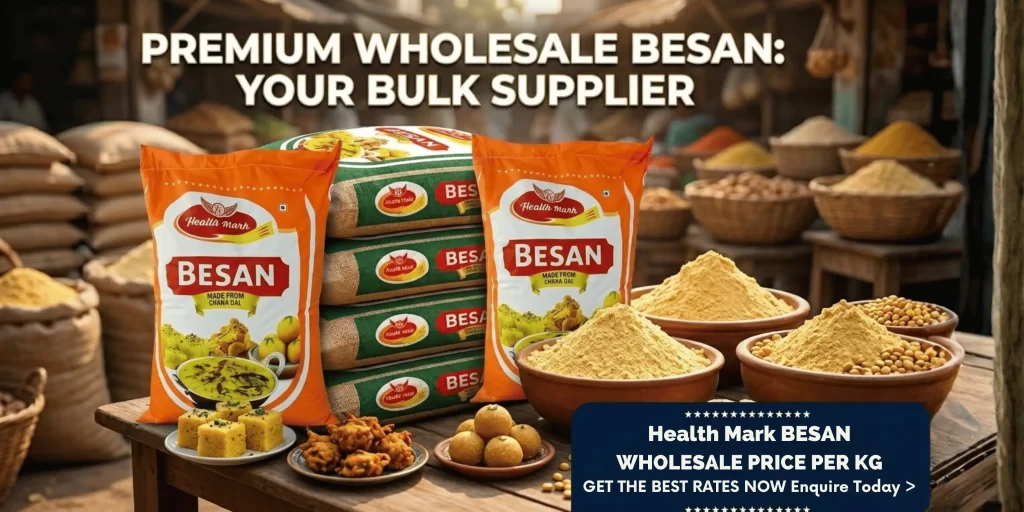
At Health Mark, we understand the needs of modern businesses and households. Our focus is on delivering best quality besan with consistency and reliability.
What Makes Us Different?
- Carefully selected raw materials
- Advanced processing methods
- Strict quality checks
- Bulk supply capabilities
- Competitive wholesale pricing
We aim to deliver value not just low prices.
Applications of Besan in Food Businesses
Besan is one of the most versatile ingredients used across multiple food categories:
- Snack manufacturing (pakoras, sev, bhujia)
- Sweet production (laddoos, barfi)
- Restaurant dishes
- Bakery innovations
- Ready-to-eat food products
Using best besan ensures your dishes stand out in taste and texture.
Tips to Get the Best Wholesale Deal
If you want to maximize value while purchasing in bulk, follow these practical tips:
- Compare multiple suppliers
- Request product samples
- Check consistency across batches
- Negotiate long-term contracts
- Buy in larger quantities for better rates
Consistency in supply is just as important as pricing.
Future Trends in Besan Market
The demand for high quality besan is expected to grow due to:
- Increasing health awareness
- Rise of gluten-free diets
- Growth of food processing industry
- Expansion of packaged food sector
Businesses investing in quality today are more likely to succeed in the long run.
Contact Health Mark for Bulk Orders
If you are looking for a reliable supplier offering premium quality besan, connect with us today:
- 🌐 Website: healthmarkfood.com
- 📞 Phone: 09318896005
- 📧 Email: healthmark68@gmail.com
We’re here to support your business with consistent quality and competitive pricing.
(FAQs)
1. What is the average besan wholesale price per kg?
The price varies depending on quality, quantity, and market conditions. Bulk purchases generally offer lower per kg rates.
2. Is bulk besan cheaper than retail packs?
Yes, buying in bulk significantly reduces cost per kilogram and is ideal for businesses.
3. How can I check if besan is good quality?
Look for bright color, fine texture, and a fresh aroma. Avoid products with lumps or dull appearance.
4. Which packaging size is best for businesses?
It depends on your usage. Larger packs reduce cost, while mid-sized packs offer better handling and storage.
5. Why should I choose a branded supplier?
A trusted brand ensures consistent quality, hygiene, and reliable supply critical for business success.
Final Thoughts
It’s not just about price when it comes to finding the best besan brand in India and the right supplier. It’s also about quality, trust, and long-term value.
To make your business grow, you need to focus on quality and consistency. The right supplier can make a big difference.