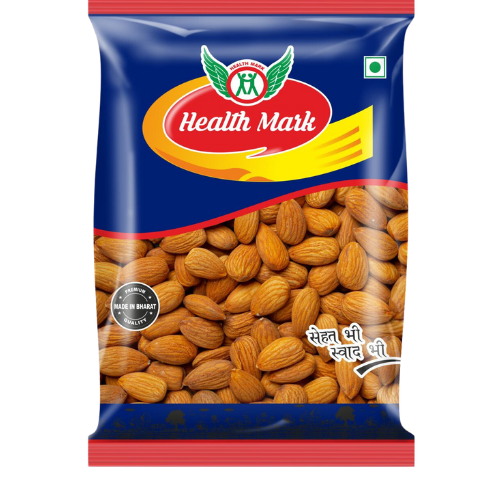
Almonds: Nutrient-packed and delicious, perfect for snacking, baking, or adding a crunchy touch to your meals. Enjoy their rich flavor and health benefits in every bite. Our Products
Nutritional Profile of Almonds
Almonds are rich in essential nutrients that your body craves.
- Calories & Macronutrients: A handful (about 28 grams or 23 almonds) contains around 160 calories, 6 grams of protein, 14 grams of healthy fats, and 3.5 grams of fiber.
- Vitamins & Minerals: They are a great source of Vitamin E, magnesium, calcium, and potassium.
- Antioxidants: Almonds are loaded with antioxidants, especially in their brown skin, which protects cells from oxidative stress.
Health Benefits of Almonds
Heart Health
Almonds are heart-friendly. Their monounsaturated fats help lower bad cholesterol (LDL) while maintaining good cholesterol (HDL). Studies show regular almond consumption can reduce blood pressure, thanks to magnesium.
Brain Health
Want a sharper mind? Almonds contain riboflavin and L-carnitine, which are known to boost brain function. They’re often recommended for students to enhance memory and focus. Plus, the Vitamin E in almonds helps slow down cognitive decline as we age.
Weight Management
Ironically, almonds are high in fat but still support weight loss. Why? They keep you feeling full, reducing unnecessary cravings. Eating almonds regularly boosts metabolism and helps manage appetite naturally.
Skin and Hair Health
Almonds are a natural beauty enhancer. The Vitamin E in them acts as a skin antioxidant, giving you glowing, youthful skin. Almond oil is also used to strengthen hair roots, reduce dandruff, and add shine.
Bone Strength
Almonds are packed with calcium, magnesium, and phosphorus—essential nutrients for maintaining strong bones and preventing osteoporosis.
Blood Sugar Control
For people with diabetes, almonds are a smart snack. They have a low glycemic index and help improve insulin sensitivity. Eating almonds with high-carb meals can also reduce blood sugar spikes.
Almonds in Daily Diet
- Recommended Intake: Nutritionists suggest eating 8–10 soaked almonds daily for maximum benefits.
- Best Time: Early morning, on an empty stomach, is ideal for better nutrient absorption.
- Raw vs Soaked vs Roasted: Soaked almonds are easier to digest, while roasted ones are crunchier but may lose some nutrients.
Different Ways to Consume Almonds
- Raw Almonds – Quick and healthy snack.
- Almond Milk – A lactose-free alternative to cow’s milk.
- Almond Butter – Rich, creamy spread for bread or smoothies.
- Almond Flour – A gluten-free option for baking.
Almonds in Traditional Medicine
- Ayurveda: Almonds are considered “Vata balancing” and are used to boost energy and immunity.
- Chinese Medicine: Almonds are believed to support lung health and digestion.
Potential Side Effects of Almonds
While almonds are healthy, too much of a good thing can cause problems.
- Overconsumption: Eating too many can lead to weight gain.
- Allergies: Some people may develop nut allergies.
- Oxalates: Excessive almonds may contribute to kidney stones in sensitive individuals.
Tips for Buying and Storing Almonds
- Always choose fresh, unsalted, and preferably organic almonds.
- Store in an airtight container in a cool, dry place. Refrigeration extends shelf life.
Fun Facts About Almonds
- Almonds are not true nuts but seeds of the fruit of the almond tree.
- California produces over 80% of the world’s almonds.
- Almonds were considered a symbol of good luck in ancient Rome.
Conclusion
Almonds are truly nature’s gift to us—small yet mighty. From improving heart and brain health to making your skin glow, these crunchy delights are a must-add to your daily diet. But remember, moderation is key. A handful of almonds a day keeps not just hunger but also many health issues away.
FAQs
1. Are almonds good for weight loss?
Yes, almonds keep you full longer, reducing cravings, which helps with weight management.
2. How many almonds should I eat daily?
8–10 soaked almonds a day are recommended for optimal health.
3. Is almond milk healthier than cow’s milk?
Almond milk is lower in calories and lactose-free, making it a good option for vegans and those with lactose intolerance.
4. Can almonds improve skin health?
Absolutely! The Vitamin E and antioxidants in almonds help fight aging signs and give glowing skin.
5. Are raw almonds better than roasted ones?
Soaked or raw almonds are nutritionally superior, but roasted almonds make a crunchy, tasty snack.